16 National Records and a New Era of Judging: Russia Hosts National Weightlifting Championships
- Author: Vahe Hakobyan
- Sportaran
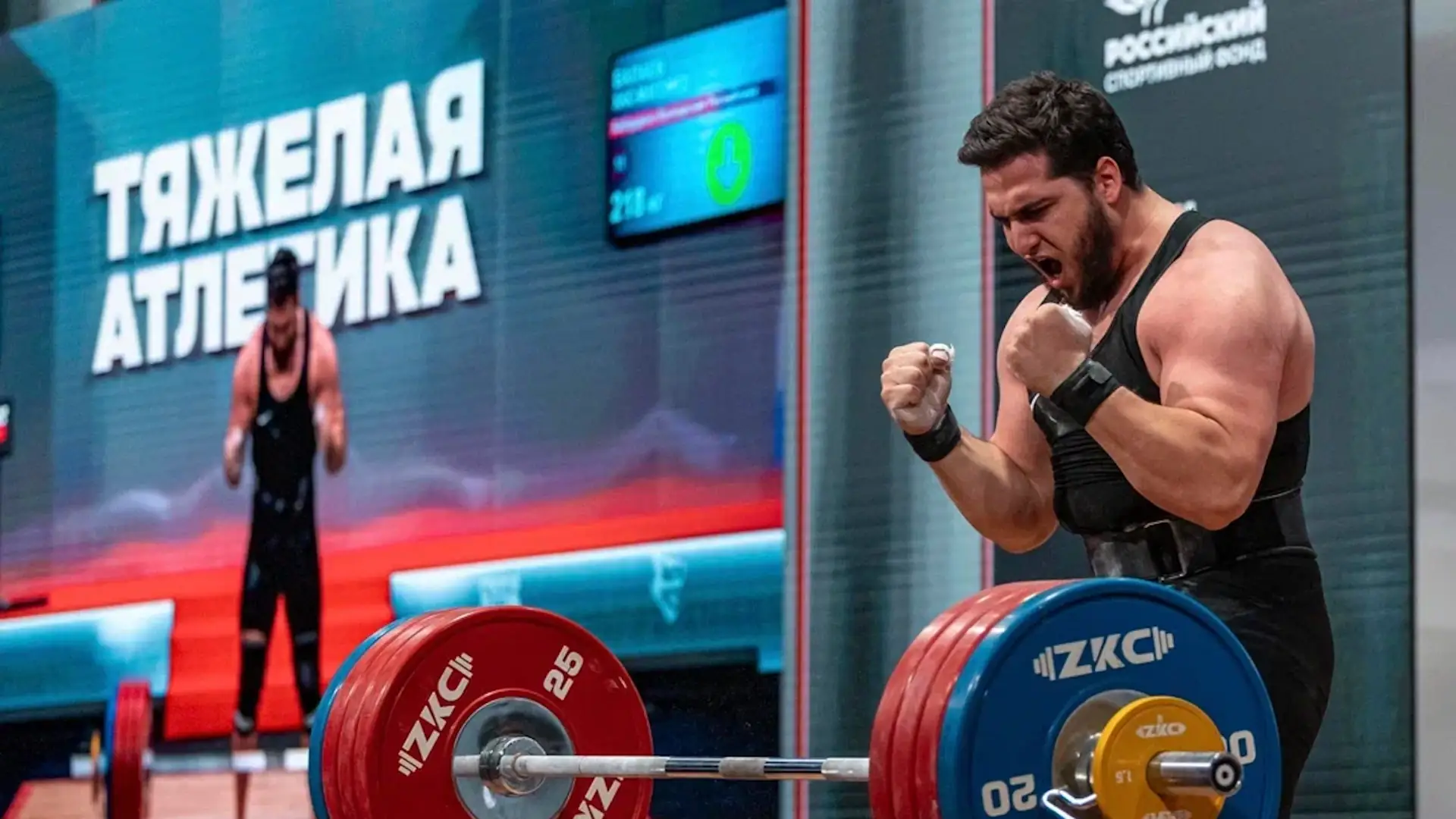
The Magnit Russian Weightlifting Championships have concluded in Moscow. Over four days of competition, 16 Russian national records were set, while the event became the first competition in the history of Russian sport to use an AI-powered judging support system.
The Russian Weightlifting Championships were held in Moscow from September 10 to 13, marking the return of the national championships to the capital for the first time in 23 years. When the tournament was last held in Moscow, many of today’s competitors had not yet been born.
“There has not been an event like this in the capital for 23 years. Weightlifting as a whole is also on the rise today. This is a landmark year for the sport, as all the unfair and unlawful sanctions imposed on weightlifting have finally been lifted. We now have the opportunity to compete under our national flag and hear the Russian anthem after our champions win. Hooray!” said Russian Sports Minister Mikhail Degtyarev.
Competitions across all men’s and women’s weight categories were broadcast by Match TV, Russia’s national sports television channel. The championship reached a combined audience of more than 90 million people across television, media and social networks.
Artificial Intelligence in Judging
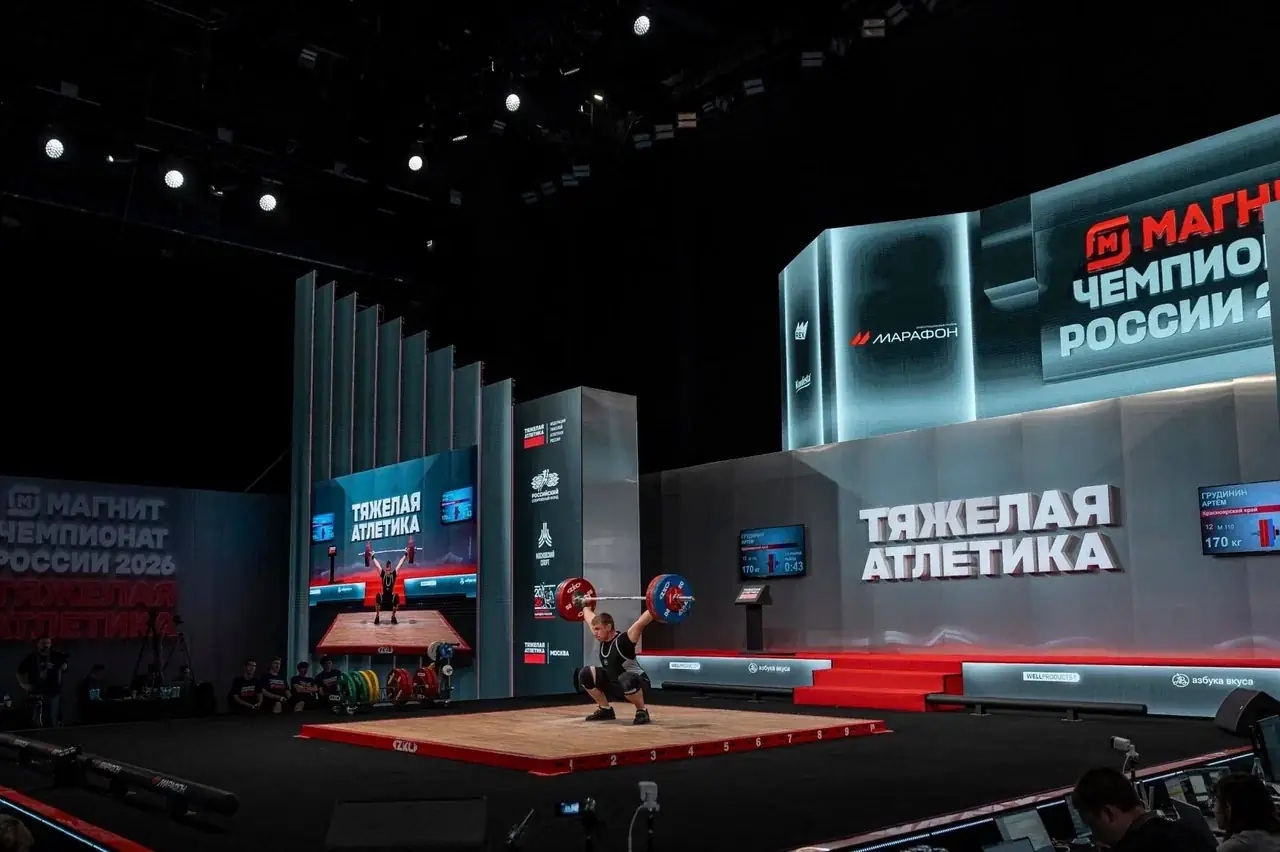
In weightlifting, the margin for error can be measured in kilograms and fractions of a second. Three judges make decisions in an instant, and those decisions can determine who takes the top step of the podium.
At the Magnit Russian Championships, judges were assisted by artificial intelligence for the first time. Developed by researchers at Sberbank’s Sber AI team, the system analyzes each attempt using video footage and provides judges with additional information to review disputed or difficult moments. It marked the first use of technology of this kind in Russian sport at a competition of federal level.
The technology has already demonstrated its practical value. It supported a judging decision that determined the champion in the men’s 60 kg category, where the medalists were separated by just two kilograms.
The system was not used exclusively by the judging panel. Graphics based on its analysis were incorporated directly into the television broadcast, allowing millions of viewers to see the same information available to the judges.
Following the championship, the system will remain in permanent use by the Russian Weightlifting Federation.
16 National Records
The standout performer of the tournament was Varvara Kuzminova of the Moscow Region, who set nine Russian national records in the 77 kg category across the U20, U23 and senior women’s divisions. She lifted 135 kg in the clean and jerk and broke the Russian record in the total twice, ultimately raising it to 250 kg.
Sixteen-year-old Sergey Plotnikov of the Novosibirsk Region set five U17 records. He broke the snatch record three times, with a best lift of 122 kg, and also set records in the clean and jerk (147 kg) and total (269 kg). His performance was enough to earn him a bronze medal in the senior 65 kg category.
Two more records were set in the women’s competition. Elizaveta Zhatkina of the Krasnodar Region lifted 99 kg in the clean and jerk in the 49 kg category, while Olga Te of the Omsk Region lifted 96 kg in the snatch in the 61 kg category. Both athletes wenton to win gold.
The heaviest total of the championship came from Arsen Merdanov of St. Petersburg, who lifted 398 kg in the 110+ kg category — one kilogram more than the silver medalist.