Exotic Nations at the 2026 Winter Olympics
- Author: Vahe Hakobyan
- Sportaran
Today, February 6, the 2026 Winter Olympic Games officially begin in Italy. Alongside the traditional winter sports powerhouses, the Games once again feature countries that are difficult to associate with snow, skiing, and ice. Yet it is precisely these stories that often become some of the most memorable at the Olympics.
Bobsleigh: a Caribbean footprint
Jamaica’s participation in bobsleigh no longer surprises anyone, and since 2022 it has been joined by Trinidad and Tobago. The team was assembled by British pilot Axel Brown, who decided in 2021 to represent his mother’s homeland. Brown and his crew will once again take the start line in Milano–Cortina.
Skiing: the most accessible road to the Olympics
Exotic teams are far more commonly seen in cross-country skiing and alpine skiing, where obtaining a basic Olympic quota is relatively straightforward. It is in these disciplines that the most unusual characters of the Games can be found.
Ecuador: a lone skier and an entire federation
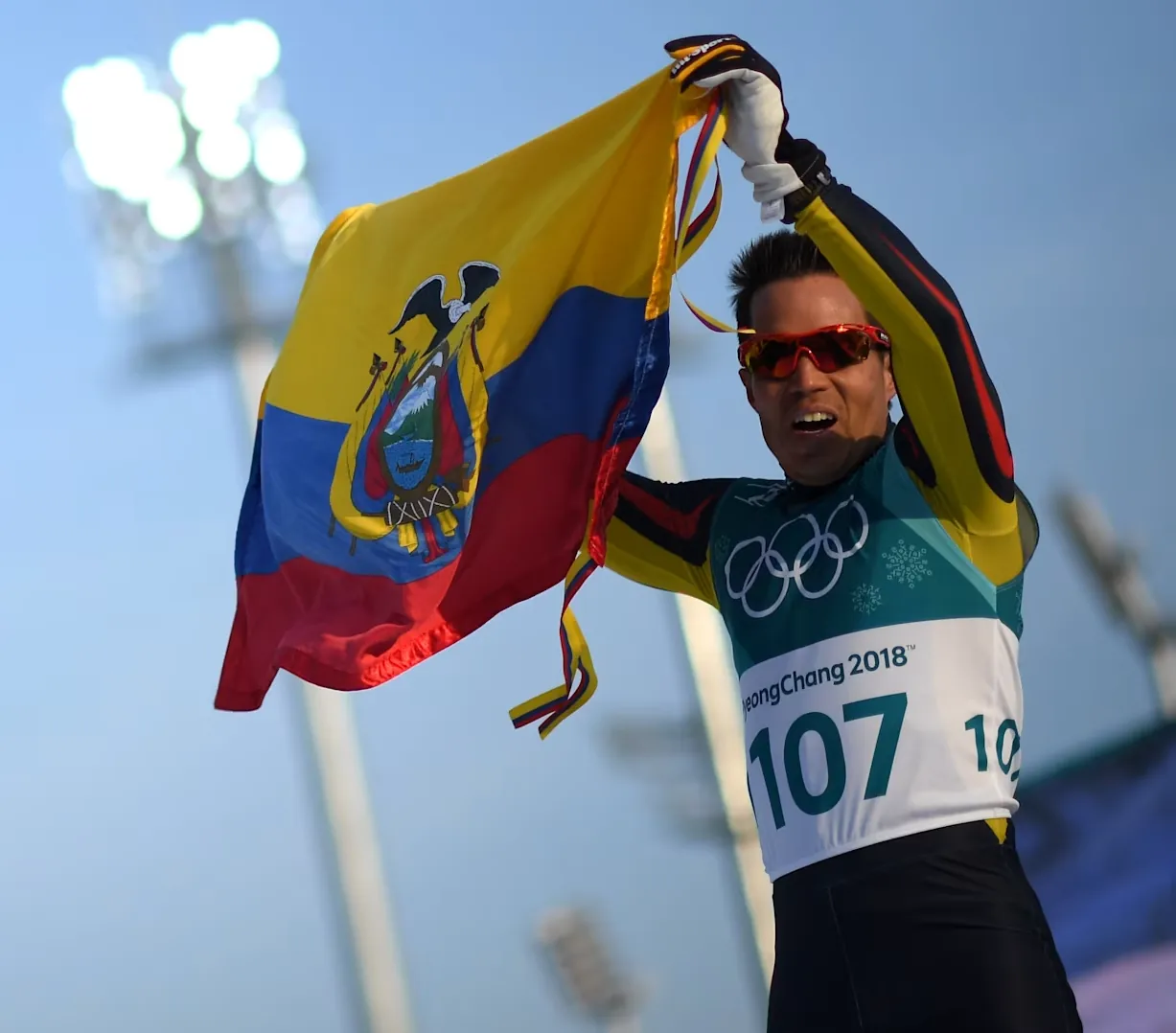
Ecuador is represented at the Olympics by 46-year-old skier Klaus Jungblut Rodríguez.
Born in Ecuador, Jungblut lived and trained in Australia (Queensland) and is now based in Switzerland. In 2016, he approached the Ecuadorian National Olympic Committee and, with its support, effectively created the country’s skiing federation, which allowed him to compete under the Ecuadorian flag.
In 2018, Jungblut became the first Ecuadorian athlete in the history of the Winter Olympics, finishing 108th in PyeongChang. He missed the 2022 Games but returns in 2026 at the age of 46.
He simultaneously serves as federation president, coach, and athlete, having organized his entire Olympic journey on his own. Klaus does not aim for top results, but his story is a striking example of absolute dedication to a dream.
Eritrea: the Olympics as a mission
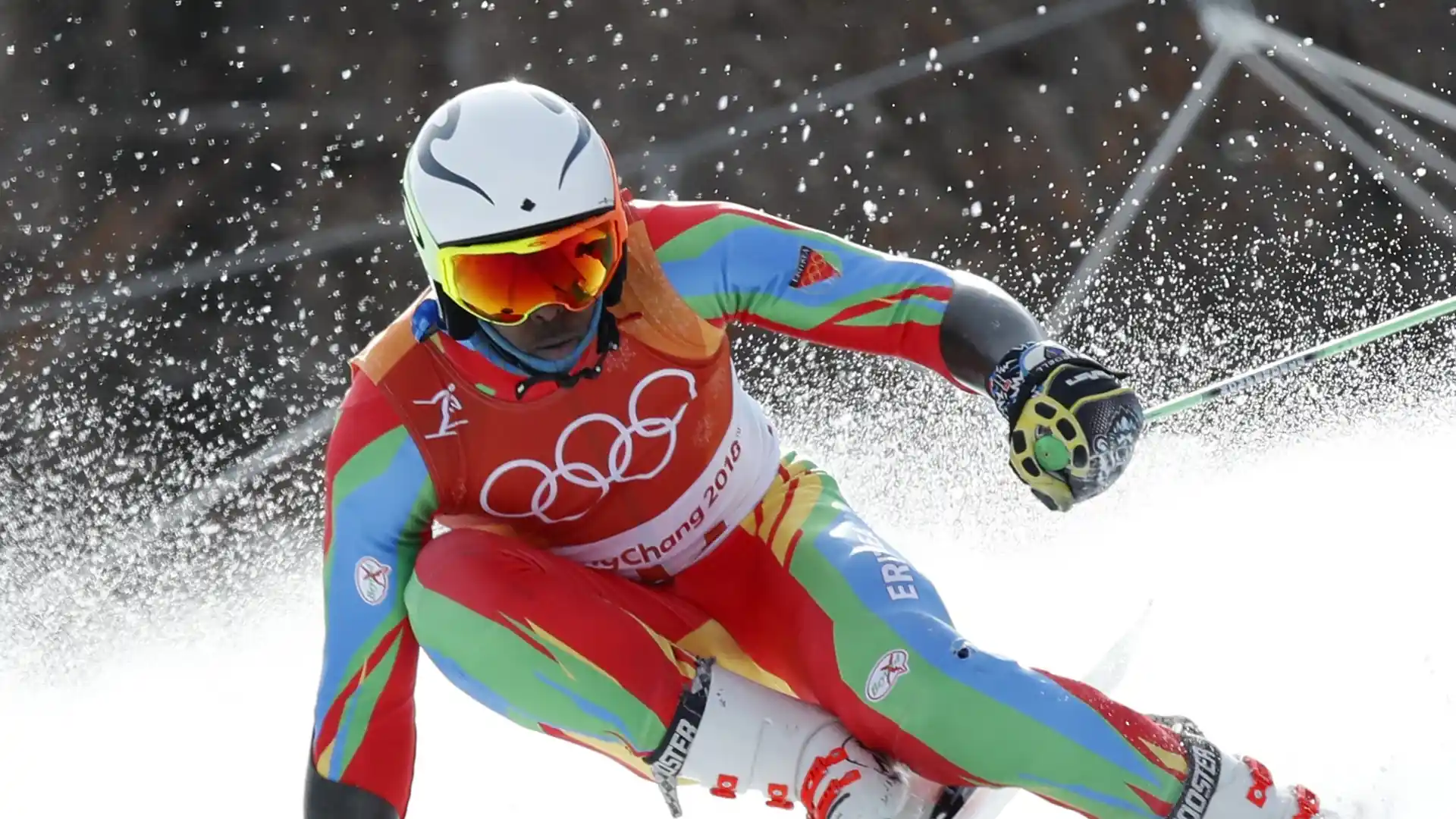
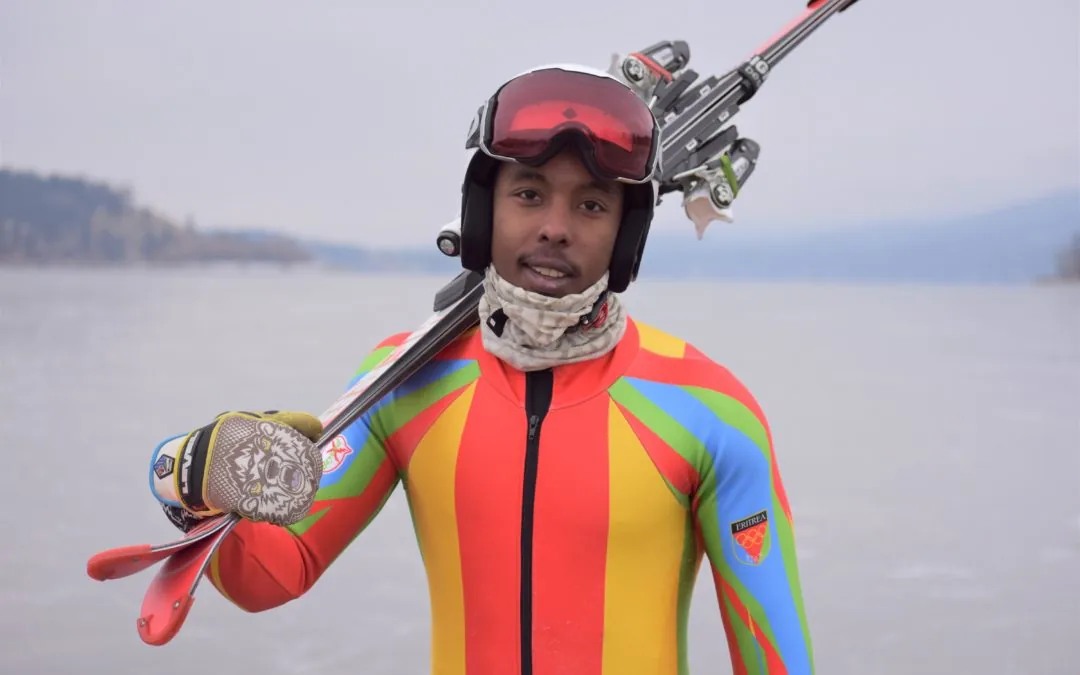
Eritrea is one of the most closed countries in the world and does not even have a FIFA ranking in football. All the more remarkable is that it has a consistent representative at the Winter Olympics: alpine skier Shannon-Ogbnai Abeda.
Abeda was born in Canada to a family of Eritrean refugees. In 2018, he became the first Winter Olympian in the country’s history, later competed at Beijing 2022, and is now heading to his third Games.
Abeda’s entire family essentially makes up Eritrea’s Olympic delegation:
-
his brother Metawi Abeda assists with equipment,
-
his father Walday Abeda serves as team leader.
In PyeongChang, Shannon finished 61st in the giant slalom, and at Beijing 2022 he improved to 39th, showing clear progress. In Milano–Cortina, the 29-year-old aims for a top-40 finish in two disciplines.
For Abeda, the Olympics are not about medals. His mission is to engage the Eritrean diaspora and build a sustainable future for winter sports in the country. After the 2026 Games, he plans to retire, leaving behind not only results but also a real foundation for future generations.
Benin: a long road to a first start
Benin is represented at the Winter Olympics for the first time in history. This new chapter is opened by 21-year-old alpine skier Nathan Chiboso.
The idea of Olympic participation was conceived by his father, Jean-Luc Chiboso, back in 2021, but bureaucratic obstacles prevented a debut in Beijing — at that time, Nathan was forced to compete under the flag of Togo. Only at the end of 2025 did he finally resolve citizenship issues and earn the right to represent Benin in Italy.
Guinea-Bissau: a complex identity
Another new country at the Winter Olympics is Guinea-Bissau. It is represented by 19-year-old alpine skier Winston Tang.
Tang was born in Park City, USA, and has Taiwanese, American, and Guinea-Bissauan roots. In 2023, he made his debut under the Chinese flag, then competed within the U.S. Ski & Snowboard system, and later obtained an African passport as part of preparations for the 2026 Olympics.
Discuss the news!
Jump to comments ↓
Comments
0